 Candles

Understanding the psychology behind risk-taking in gambling behavior
The Nature of Risk-Taking in Gambling
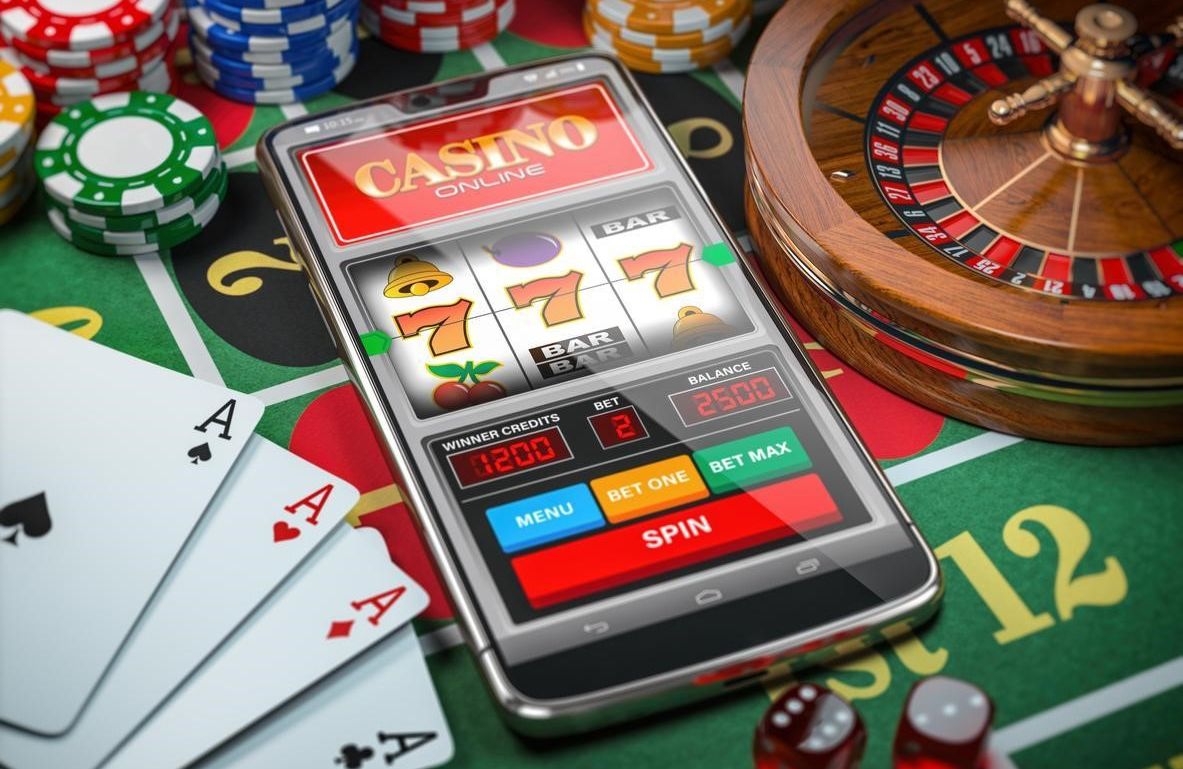
Risk-taking in gambling is a complex behavior influenced by various psychological factors. At its core, gambling involves the acceptance of uncertainty and the possibility of loss. Players often experience a thrill when engaging in risky activities, which can be attributed to the release of neurotransmitters like dopamine. This chemical reaction in the brain creates feelings of pleasure and reinforcement, encouraging individuals to continue gambling despite potential negative consequences. For those interested in games of chance, exploring online poker sites can provide unique experiences filled with risk.
The Influence of Cognitive Biases
Cognitive biases play a significant role in gambling behavior, often leading to misconceptions about risk and reward. One common bias is the illusion of control, where gamblers believe they can influence the outcome of games purely based on their actions or strategies. This belief can encourage continued play and increase the likelihood of taking risks, as players may think they have a better chance than they actually do.
The Role of Social Influence
Social dynamics can greatly influence gambling behavior, as individuals are often affected by their peers. Group settings, such as casinos or online gaming platforms, can amplify the excitement of gambling, pushing individuals to take larger risks than they would alone. The social reinforcement of risk-taking behaviors, such as celebrating wins or commiserating losses, further solidifies these habits.
Moreover, social norms can dictate the acceptance of gambling as a recreational activity. In cultures where gambling is viewed positively, individuals may feel encouraged to participate and take risks. Understanding how social influences shape gambling behavior can provide valuable insights into why some people engage in high-risk gambling activities while others do not.
Emotional Factors in Gambling
Emotions play a crucial role in gambling behavior, often acting as a driving force behind risk-taking. Many gamblers use gambling as a means to escape negative emotions or stress, viewing it as a form of entertainment that can provide temporary relief. This emotional attachment can lead to impulsive decisions, as individuals chase feelings of excitement or relief without fully considering the risks involved.
Additionally, the highs and lows associated with gambling can create an emotional rollercoaster that further fuels risky behavior. The thrill of a win can create an addiction to the rush, while losses can lead to chasing previous bets, often resulting in even greater risks. Understanding the emotional aspects of gambling is essential in addressing and mitigating problematic gambling behaviors.

Website Overview and Security Measures
This website aims to provide informative content about sports broadcasting, catering to the interests of fans and enthusiasts. Recognizing the potential vulnerabilities associated with online platforms, strict security measures are in place to protect users and maintain a safe browsing experience. Access restrictions can occasionally occur, but they are implemented to safeguard the site’s integrity against online threats.
Users who encounter any access issues are encouraged to reach out to the site owner for resolution. By understanding the importance of security and reliability, visitors can enjoy a smooth experience while exploring various aspects of sports broadcasting and gambling-related content.

 Diffusers